

What a digital workplace strategy needs to contain in 2026
What a digital workplace strategy needs to contain, why most of them fail, and how to build one on evidence rather than assumption. Six components explained.

SharePoint knowledge management: 8 best practice examples
Explore best practices for using SharePoint in knowledge management (KM) to enhance efficiency and collaboration.
House in order – Intranet content governance for the AI era
Copilot doesn’t create content problems, it exposes them. Join Content Formula and Spark Trajectory on 15 September for the content, IA and permissions work to do first.
What is SharePoint? A complete guide for 2026
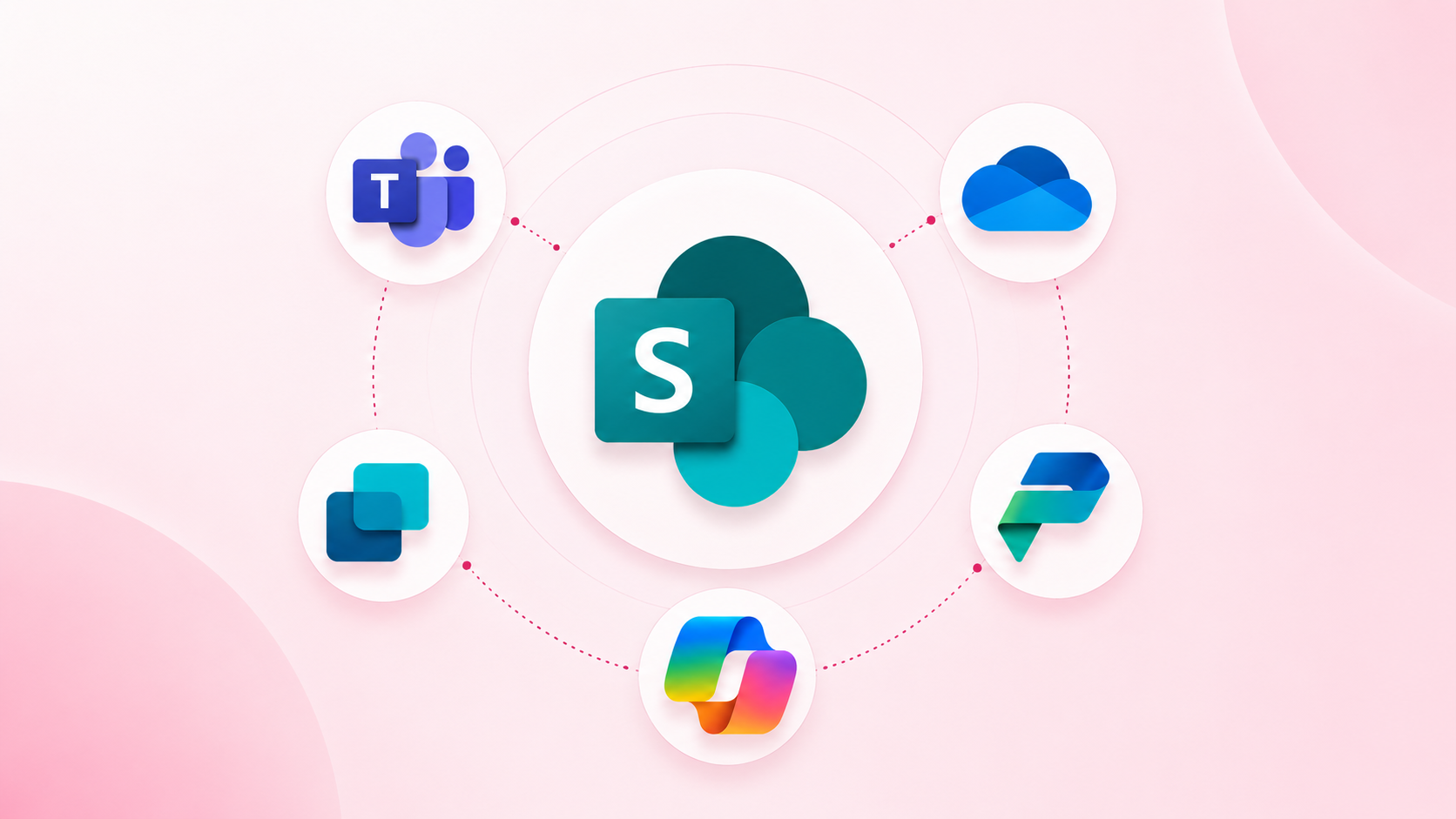
SharePoint comes with almost every Microsoft 365 subscription, but most organisations use a fraction of it. This guide covers what SharePoint actually is, what it’s used for, and what changed now Microsoft 365 Copilot reads from it.

AI Search on your intranet – See It, Prep It, Launch It
Discover AI search for your SharePoint intranet, how easy it is to implement, and how to prepare your content for accurate AI-powered results.

Digital workplace trends for 2025
Explore nine trends shaping the 2025 digital workplace—from AI leaps and Microsoft Copilot to tool sprawl and intranet evolution.

Valo intranet end of life? Lightspeed365 is your alternative
Facing Valo intranet’s end of life? Lightspeed365 is the future-proof SharePoint intranet alternative with seamless migration and top feature

Ten knowledge management best practices for 2024
Discover 10 knowledge management best practices for 2024 to improve collaboration, innovation, and efficiency in your organisation.

7 ways to use SharePoint to support employee onboarding
Employee onboarding is a key process in employee experience, and can make a tangible contribution to talent retention. SharePoint is a strong foundational technology to design onboarding experiences and deliver related content and features.

8 steps to create a knowledge management strategy
Create an effective knowledge management strategy in 8 steps to align efforts, optimise sharing, and boost organisational success

What is Power Apps and how can I use it?
In this article we give an overview of PowerApps and its possibilities, and how you can use it in your business.

25 business processes you can automate using Microsoft 365
We will look at some of the processes you can automate using Office 365, based on what we’ve seen with clients and other organisations.